Call us: +91 8080680805

Last updated: May 9, 2026
Pet grooming, encompassing specialized dog grooming and cat grooming services, is far more than a luxury; it’s a critical component of pet health and a booming industry segment. For business professional groomers and pet store owners, understanding the nuances of these services, especially those focused on dog wellness & skin, is essential for securing a competitive edge and fostering long-term client relationships in 2026. This comprehensive guide outlines the strategic considerations, operational best practices, and market trends vital for success in this dynamic sector.
Key Takeaways
- Pet grooming is a rapidly growing market driven by increasing pet ownership and humanization.
- Specialized services like dog grooming and cat grooming require specific skills and safety protocols.
- Dog wellness & skin care extends beyond aesthetics, addressing health concerns and client education.
- Operational efficiency, skilled staff, and continuous education are crucial for grooming business profitability.
- Investing in high-quality tools and products enhances service quality and pet comfort.
- Strategic pricing, marketing, and client communication build strong customer loyalty.
- Understanding legal and ethical responsibilities is paramount for safe and reputable operations.
- Diversifying services, such as mobile grooming or specialized treatments, can open new revenue streams.
- Data analytics and technology adoption are becoming increasingly important for managing and optimizing grooming businesses.
- Prioritizing pet safety and comfort should always be at the forefront of every grooming decision.
Why Are Professional Pet Groomers Indispensable in 2026?
Professional pet groomers are indispensable in 2026 because they provide essential services that go beyond mere aesthetics, contributing significantly to a pet’s health, hygiene, and overall well-being. These experts possess the specialized knowledge and equipment to handle diverse breeds, temperaments, and specific health needs that pet owners often cannot address at home, making them critical partners in pet care.
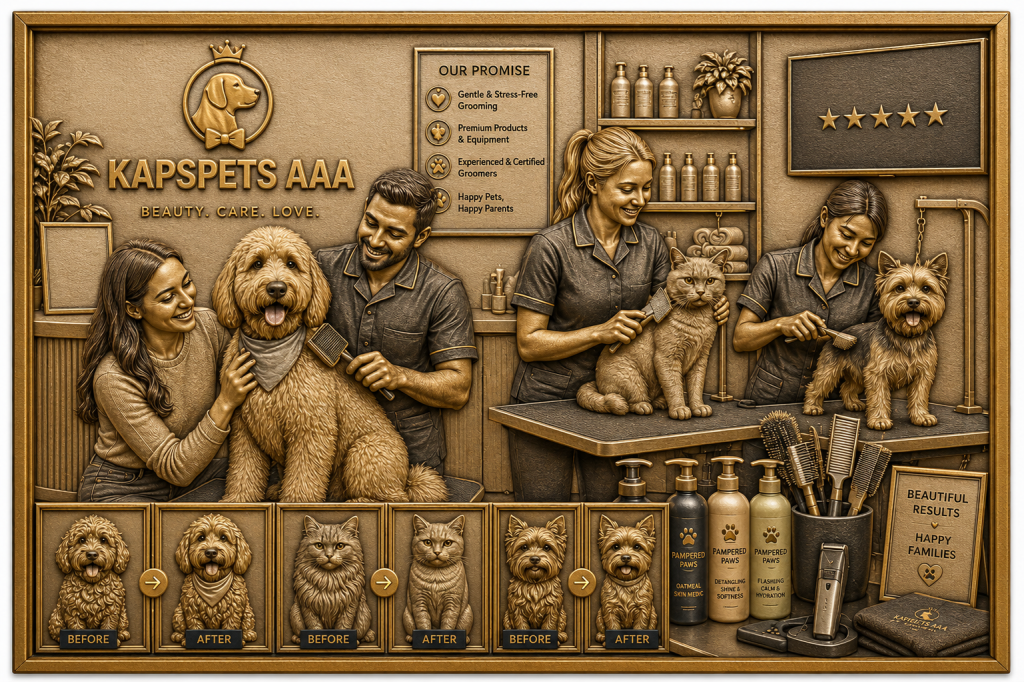
As the pet industry continues its upward trajectory, fueled by increased pet ownership and the humanization of companion animals, the demand for high-quality pet groomers has never been greater. My own experience as a business consultant for several independent pet salons showed me that clients aren’t just looking for a “haircut”; they’re seeking a holistic care experience. They value a groomer’s ability to identify early signs of skin conditions, ear infections, or dental issues, often before a veterinarian visit. This proactive approach saves pet owners money and, more importantly, can prevent serious health problems for their beloved animals.
The Evolving Role of the Professional Groomer
The role of a pet groomer has evolved significantly. Today’s professional groomers are often the first line of defense in spotting health issues. They are skilled artisans who understand breed-specific cuts, but also compassionate caregivers who prioritize a pet’s comfort and safety. This dual role requires:
- Advanced Training: Beyond basic clipping, modern groomers often pursue certifications in pet first aid, CPR, animal behavior, and specialized breed styling.
- Knowledge of Products: Selecting the right shampoos, conditioners, and styling products for various coat types and skin sensitivities is crucial.
- Health Vigilance: Regularly checking for lumps, bumps, parasites, skin irritations, and ear/eye discharge during a grooming session.
- Client Education: Advising owners on proper home care routines, dietary impacts on coat health, and when to seek veterinary attention.
For a pet store owner, integrating professional grooming services can create a powerful ecosystem. Imagine a customer buying premium dog food, then scheduling a grooming appointment, and finally picking up a new toy – all from your store. This synergy boosts sales across departments and solidifies your business as a one-stop shop for pet care needs. When considering adding or expanding grooming, evaluate the local demand for specialized services, like hypoallergenic grooms or de-shedding treatments, to tailor your offerings effectively.
Mastering Dog Grooming and Cat Grooming: Techniques for Optimal Health
Mastering dog grooming and cat grooming involves specialized techniques tailored to each species’ unique needs, ensuring not just aesthetic appeal but also optimal health and comfort. Effective grooming practices prevent matting, skin issues, and discomfort, directly contributing to a pet’s overall well-being and strengthening the bond with their owners.
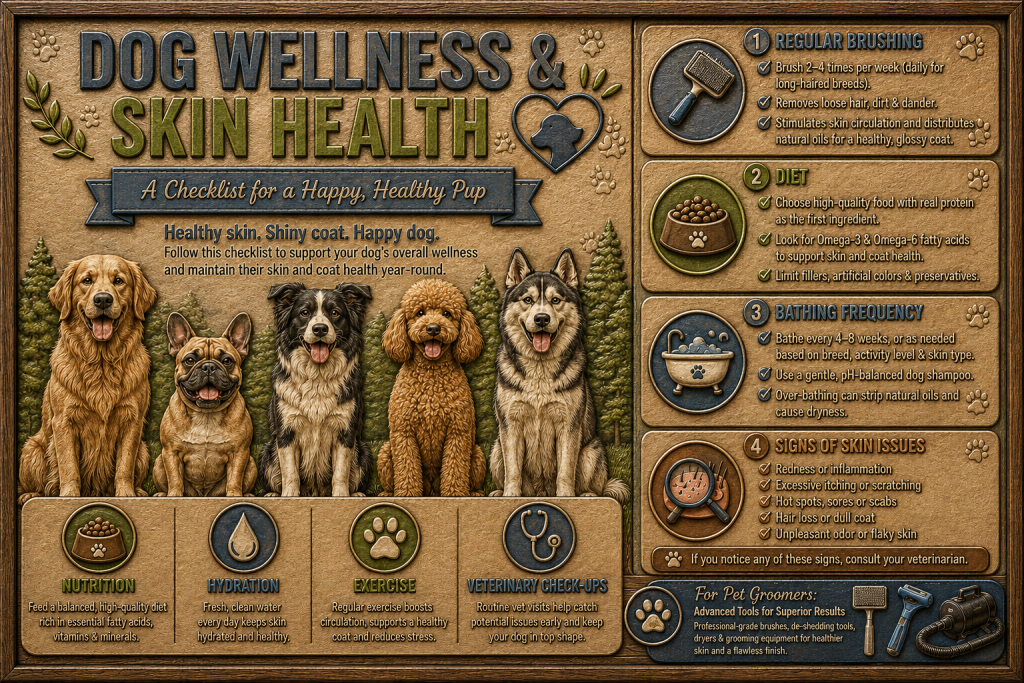
Both dogs and cats require regular grooming, but their temperaments, coat types, and grooming tolerances differ significantly. My friend Sarah, who owns a successful pet salon, once told me about her “cat whisperer” groomer. This individual had a magical touch with even the most skittish felines, completing a full groom without stress or injury. It highlighted that while the tools might seem similar, the approach for cat grooming demands a gentler, more patient, and often quicker technique to minimize stress.
Essential Dog Grooming Practices
For dogs, the focus often involves a balance of hygiene and breed-specific styling. Key elements include:
- Bathing: Using appropriate shampoos for skin conditions (e.g., anti-itch, hypoallergenic) or coat types (e.g., volumizing, whitening).
- Brushing: Regular and thorough brushing is vital for preventing mats, distributing natural oils, and removing loose fur. Tools vary widely, from slicker brushes to deshedding tools.
- Hair Trimming/Clipping: This is where professional skill shines, creating breed-standard cuts or practical styles for pet comfort.
- Nail Trimming: Overgrown nails can cause pain, posture problems, and lead to infections.
- Ear Cleaning: Preventing ear infections by gently cleaning the outer ear canal.
- Dental Care: While not a full cleaning, professional groomers can often offer superficial tooth brushing services and educate owners on home dental hygiene.
Nuances of Cat Grooming
Cat grooming requires a different set of considerations due to feline sensitivity and stress levels.
- Minimal Stress Environment: Creating a calm, quiet space is paramount. Some groomers even schedule cat-only days.
- Gentle Handling: Cats often resist restraint, making gentle, reassuring techniques essential.
- Specialized Tools: Finer brushes, smaller clippers, and sometimes even specialized drying cages that reduce noise and air pressure.
- Matted Fur Management: Cats, especially long-haired breeds, are prone to mats. These can be painful and require careful removal, sometimes even shaving.
- No Water/Low Water Baths: Many cats dislike water. Waterless shampoos or quick, efficient bathing techniques are common.
- Scratching Post Education: Encouraging owners to provide adequate scratching surfaces helps maintain nail health between grooms.
Prioritizing Dog Wellness & Skin Health
A significant aspect of both dog grooming and cat grooming is the focus on dog wellness & skin health. The skin is the largest organ and a direct indicator of overall health. A professional groomer can spot issues like:
- Allergies: Redness, itching, hot spots.
- Parasites: Fleas, ticks, mites.
- Infections: Bacterial or fungal skin infections.
- Coat Abnormalities: Excessive shedding, dullness, or greasiness, which can signal dietary deficiencies or underlying health problems.
Groomer’s Checklist for Dog Wellness & Skin Inspection:
- Full Body Palpation: Feel for lumps, bumps, or tender spots.
- Coat Condition Assessment: Check for dryness, oiliness, matting, or unusual shedding patterns.
- Skin Examination: Look for redness, flakiness, rashes, or lesions. Pay close attention to under the arms, groin, and paw pads.
- Paw Pad Check: Inspect for cracks, cuts, foreign objects, or excessive hair growth between pads.
- Ear Inspection: Check for redness, discharge, odor, or excessive wax.
- Eye Examination: Look for redness, cloudiness, excessive tearing, or discharge.
- Dental Check (Visual): Note any tartar buildup, broken teeth, or gum inflammation.
By incorporating these checks into every grooming session, pet groomers not only provide a valuable service but also build trust with pet owners by demonstrating a genuine commitment to their pet’s health. For business owners, training staff thoroughly in these areas elevates the salon’s reputation and justifies premium pricing.
Building a Thriving Business: Operational Strategies for Pet Groomers in 2026
Building a thriving business as pet groomers in 2026 demands more than just skill; it requires robust operational strategies focusing on efficiency, customer experience, and continuous adaptation to market trends. Effective scheduling, staff training, and leveraging technology are pivotal for maximizing profitability and ensuring client satisfaction.
One of the biggest lessons I learned from observing successful pet grooming businesses is the critical role of scheduling. A salon I consulted for used to have chaotic booking, leading to stressed groomers and long wait times. By implementing a modern booking system that accounted for breed size, coat type, and specific service requests, they dramatically improved throughput and reduced client complaints. It’s not just about filling slots, but filling them intelligently.
Optimizing Your Grooming Salon Operations
For dog grooming and cat grooming businesses, operational excellence translates directly into higher client retention and increased revenue. Consider these strategic pillars:
- Staff Training & Certification: Invest in ongoing education for your groomers. Certifications in animal behavior, pet CPR, and advanced styling can differentiate your salon. For instance, having staff trained specifically in handling anxious dogs or elderly cats can attract niche clientele.
- State-of-the-Art Equipment: High-quality clippers, dryers, bathing systems, and grooming tables not only improve efficiency but also ensure pet safety and comfort. Ergonomic tools reduce groomer fatigue, too.
- Streamlined Booking & POS Systems: Implement user-friendly software for online booking, appointment reminders, client history tracking, and point-of-sale transactions. This reduces administrative burden and enhances the customer experience.
- Inventory Management: Efficiently manage shampoos, conditioners, brushes, and other consumables. Buying in bulk where appropriate, tracking usage, and minimizing waste can significantly impact your bottom line.
- Space Utilization: Design your salon layout to optimize workflow, ensuring separate areas for bathing, drying, and styling if possible. Good ventilation and soundproofing are crucial for reducing pet stress.
- Pet Safety Protocols: Establish strict safety procedures for handling pets, preventing nicks, accidental falls, and managing aggressive behaviors. This includes emergency plans and a clear incident reporting system.
Common Mistake to Avoid: Understaffing during peak hours. This leads to rushed grooms, potential safety issues, and dissatisfied clients. It’s better to manage expectations with slightly longer booking lead times than to compromise service quality.
Enhancing Customer Experience and Marketing Your Services
In a competitive market, providing exceptional service and effectively communicating your value proposition are vital.
- Personalized Consultations: Start each grooming session with a brief consultation with the owner to understand their specific needs and concerns, especially regarding dog wellness & skin issues. This builds trust and ensures expectations are met.
- Transparent Pricing: Clearly outline your service packages and pricing structure. Consider offering tiered services (e.g., basic wash, full groom, spa package).
- Client Communication: Provide updates during the grooming process (e.g., “Fido is halfway done and doing great!”). Offer post-grooming care tips.
- Loyalty Programs: Reward repeat clients with discounts or special perks. A simple punch card or points system can encourage repeat business.
- Online Presence: Maintain an active social media presence showcasing your amazing transformations. Utilize high-quality photos and videos. Encourage client reviews on platforms like Google, Yelp, and Facebook.
- Partnerships: Collaborate with local veterinarians, pet trainers, and animal shelters. Cross-promotional efforts can expand your client base. For example, a vet might recommend your salon for medicated baths if you specialize in dog wellness & skin.
The Business of Dog Wellness & Skin: A Niche Market Opportunity
Focusing on dog wellness & skin is not just a service; it’s a niche market with high demand. Many dogs suffer from allergies, sensitive skin, or specific coat requirements. Offering specialized treatments positions your business as an expert and allows for premium pricing.
- Hypoallergenic Grooms: Using scent-free, hypoallergenic products and sterilized equipment for sensitive dogs.
- Medicated Baths: Administering vet-prescribed or recommended medicated shampoos for skin conditions (e.g., fungal infections, seborrhea).
- De-shedding Treatments: Advanced techniques and products to significantly reduce shedding, a huge relief for many owners.
- Coat Conditioning Treatments: Deep conditioning masks or oil treatments for dry, brittle, or damaged coats.
- Paw Pad Care: Special treatments for cracked paw pads, including soothing balms and protective waxes.
By actively promoting these specialized services, your business can attract a clientele willing to pay more for targeted, expert care, leading to higher average transaction values and a stronger reputation in the pet care community.
Frequently Asked Questions About Pet Grooming for Businesses
What certifications should my groomers have in 2026?
In 2026, professional pet groomers should ideally hold certifications in pet first aid and CPR, animal handling and behavior, and potentially breed-specific styling. These credentials assure clients of expertise and safety.
How can I attract more clients for cat grooming?
To attract more cat grooming clients, create a calm, quiet, cat-friendly environment, train staff in gentle feline handling techniques, and promote specialized services like de-shedding or mat removal. Online presence showcasing positive cat grooming experiences is also crucial.
What is the average cost to start a pet grooming business?
The average cost to start a pet grooming business can range from $20,000 for a mobile unit to over $100,000 for a full-service brick-and-mortar salon, depending on location, equipment, and renovation needs. This estimate can fluctuate significantly based on whether you’re building out a new space or taking over an existing one.
How important is online booking for pet groomers?
Online booking is very important for pet groomers in 2026 as it offers convenience to clients, reduces administrative tasks, and helps manage schedules efficiently. It also allows clients to book outside of business hours, enhancing customer satisfaction.
What are key trends in dog wellness & skin care for 2026?
Key trends in dog wellness & skin care for 2026 include a focus on natural and organic grooming products, personalized skin treatments based on breed and allergies, and the integration of preventative care advice into grooming sessions. Advanced allergy testing and customized dietary recommendations also play a role.
Should my pet store offer mobile dog grooming services?
Offering mobile dog grooming services can be an excellent expansion for a pet store, reaching clients who prefer convenience or have pets stressed by travel. It expands your market reach and can generate significant revenue if managed efficiently.
How do I price my dog grooming services competitively?
To price dog grooming services competitively, research local market rates, factor in your overhead costs, groomer expertise, and the quality of products used. Offer tiered pricing for basic vs. premium services and consider package deals.
What equipment is essential for a new cat grooming station?
Essential equipment for a new cat grooming station includes a quiet, adjustable grooming table, cat-specific clippers with various blades, fine-toothed combs, slicker brushes, a low-noise dryer, and specialized cat-friendly shampoos. Safety restraints designed for cats are also critical.
How can pet groomers identify potential health issues?
Pet groomers can identify potential health issues by conducting thorough visual and tactile inspections during grooming sessions, looking for changes in skin, coat, ears, eyes, and paws. Any abnormalities should be gently brought to the owner’s attention, recommending a vet visit.
What marketing strategies work best for new pet grooming salons?
Best marketing strategies for new pet grooming salons include a strong local SEO presence, engaging social media content (before/after photos), grand opening promotions, partnerships with local pet-related businesses, and encouraging client reviews and referrals.
Is specializing in one type of grooming, like dog grooming, better than offering both dog and cat grooming?
Specializing in one type of grooming, such as dog grooming, can allow for deeper expertise and efficient operations. However, offering both dog grooming and cat grooming can broaden your client base and increase overall revenue, provided staff are adequately trained and facilities can accommodate both species comfortably.
Conclusion
The pet grooming industry, encompassing pet groomers, dog grooming, cat grooming, and specialized dog wellness & skin services, presents a robust and rewarding business opportunity in 2026. For both established pet store owners and aspiring professional groomers, success hinges on a blend of expert skill, strategic operational management, and a deep commitment to animal welfare. By prioritizing continuous training, leveraging technology, and meticulously focusing on client and pet satisfaction, businesses can cultivate a reputation for excellence that drives sustained growth. The future belongs to those who view grooming not just as a service, but as an integral part of pet health and a valuable partnership with pet owners.
Actionable Next Steps:
- Assess Your Market: Conduct local market research to identify demand for specific grooming services and potential niches (e.g., senior pet grooming, organic product focus).
- Invest in Training: Ensure all staff are current on certifications in pet first aid, animal handling, and advanced grooming techniques.
- Upgrade Technology: Implement or optimize online booking and client management software to streamline operations.
- Enhance Service Offerings: Consider adding specialized services like medicated baths or specific dog wellness & skin treatments.
- Strengthen Online Presence: Update your website, social media, and local SEO profiles with compelling content and client testimonials.